The UAE's luxury property market is entering a more mature phase, with investors increasingly prioritising long-term value, exclusive locations and wealth preservation over short-term gains. As the market evolves, Abu Dhabi and Ras Al Khaimah are also attracting attention as emerging destinations for high-end residential investment.
The changing approach reflects a shift in buyer priorities. Rather than focusing only on rising property prices or quick resale opportunities, investors are paying closer attention to the economic growth, infrastructure and lifestyle offerings surrounding their chosen developments.
According to Yulia Kozhuhova, Director of Residence Sales at Aman and Janu, 2026 represented a period of greater maturity for the UAE's luxury residential sector rather than another phase of rapid expansion.
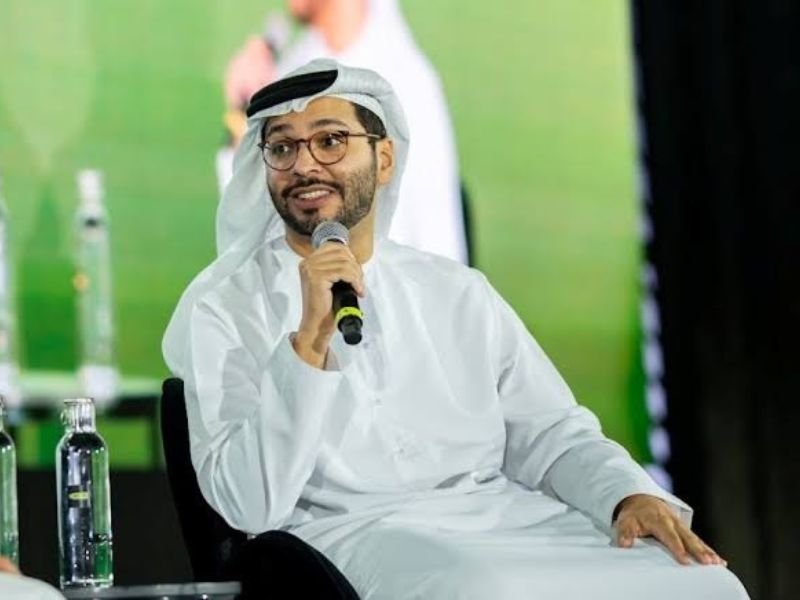
Speaking at The Briefing by Arabian Business, she observed that Dubai continues to hold a strong position in the global ultra-luxury property market. However, purchasing decisions are increasingly being driven by long-term ownership and the preservation of wealth.
Abu Dhabi and Ras Al Khaimah Gain Investor Attention
While Dubai remains an established destination for international property buyers, other emirates are developing their own identities in the luxury real estate market.
Abu Dhabi is strengthening its international profile through investments in cultural attractions, educational institutions and arts-related initiatives. These developments are helping broaden the emirate's appeal beyond its traditional residential and commercial property markets.
Ras Al Khaimah, meanwhile, is building its reputation around luxury tourism, hospitality and entertainment. Major developments, particularly Wynn Al Marjan Island, are expected to contribute to the emirate's international visibility and attract additional visitors and potential property buyers.
The growing hospitality sector is also bringing new international interest to the residential market. Kozhuhova highlighted the development involving Janu, Wynn Resorts and Marjan as an example of the emirate's expanding luxury property offering. She noted that interest was coming from a broader range of international buyers, including those from the United States.
For investors, the wider economic environment surrounding a development could be just as important as the property itself. Tourism, employment opportunities, infrastructure and international connectivity can all influence the long-term attractiveness of a location.
Why Long-Term Ownership Is Gaining Importance
The decision to purchase a property or continue renting remains an important consideration for people living and investing in the UAE.
Kozhuhova favours property ownership for buyers who have the financial capacity to make a long-term commitment. She pointed to the country's tax environment, economic stability, financing options and potential for continued growth as factors supporting ownership.
However, the financial benefits of buying will depend on individual circumstances, including the purchase price, mortgage costs, maintenance expenses and how long the owner intends to hold the property.
For luxury residential investors, she believes capital appreciation should be a major consideration. Rental income can provide an additional return, but the longer-term value of a property deserves particular attention.
Dubai continues to offer opportunities for investors seeking both rental income and potential price growth. Nevertheless, choosing the right property requires careful consideration of its location, quality and availability.
Branded Residences Continue to Attract Premium Buyers
International hospitality brands are becoming an increasingly visible part of the UAE's residential property landscape.
Branded residences appeal to buyers seeking properties associated with established names in hospitality and luxury lifestyle services. Their appeal can extend beyond architectural design and interior specifications to include brand reputation, service standards and the overall residential experience.
According to Kozhuhova, the recognition and trust associated with an international brand can help support buyer interest and potentially strengthen future rental and resale demand.
However, a recognised name alone does not guarantee a successful investment. The long-term value of a branded residence will also depend on the quality of its management, the services provided and the brand's ability to maintain its standards.
As more branded developments enter the market, buyers are likely to compare the actual residential offering rather than relying exclusively on the name attached to a project.
Scarcity Could Become a Key Investment Advantage
With new residential projects continuing to enter the UAE market, investors face a growing range of choices. This makes it increasingly important to identify properties that offer something difficult to replicate.
Kozhuhova identified scarcity as one of the most important considerations for luxury property buyers. Developments with distinctive locations, limited availability, strong design and high construction standards may be better positioned to maintain their appeal over time.
Location remains particularly important. Properties near established lifestyle destinations, waterfront areas and key amenities can benefit from characteristics that are difficult for competing developments to reproduce.
Quality is another consideration. Buyers are increasingly encouraged to look beyond marketing campaigns and assess the actual design, materials, facilities and management standards of a development.
The central question for investors is not simply how a property performs today, but whether it will remain desirable as the market changes and additional supply becomes available.
UAE Property Investment Outlook for 2027
The UAE's luxury residential market is likely to remain influenced by international capital, lifestyle demand and the continued development of major destinations.
Dubai retains its position as a leading global property market, while Abu Dhabi and Ras Al Khaimah are expanding their appeal through different economic and tourism strategies.
For investors considering the market in 2027, the emphasis is increasingly on selecting assets with lasting appeal rather than pursuing immediate price movements.
A property's location, quality, limited supply and the economic strength of its surrounding area could all play an important role in determining its long-term attractiveness.
Ultimately, the changing investment approach suggests that the next phase of the UAE luxury property market may reward careful selection and a longer investment horizon. Buyers who focus on enduring value rather than short-term market excitement may be better positioned to navigate the opportunities and risks ahead.
END.