Dubai Municipality highlights continued construction activity as innovative building technologies, modular methods and housing affordability initiatives shape the emirate's property sector
Dubai's construction industry continues to demonstrate resilience despite regional uncertainties and wider global economic challenges, with major projects progressing and new technologies creating opportunities to improve the way buildings are designed and delivered.
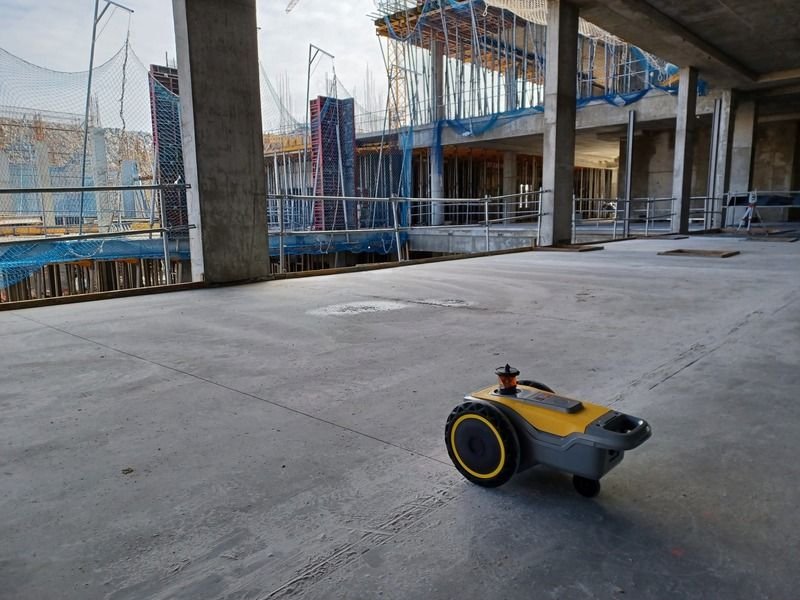
According to Dubai Municipality, construction activity across the emirate remains strong, with projects continuing to move forward. The authority also expects significant changes in the sector as artificial intelligence (AI), robotics, modular construction and 3D printing become increasingly important in future development projects.
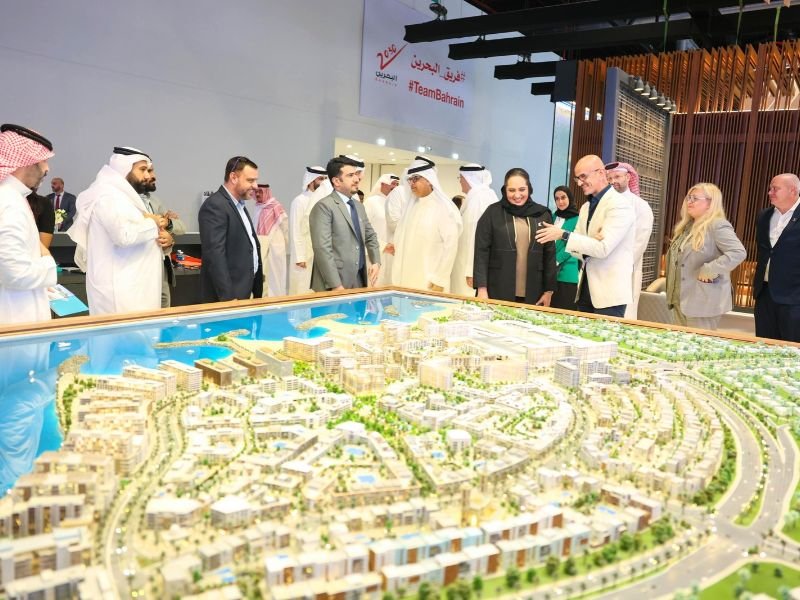
Speaking during Big 5 Global 2026, Dr Mahmoud Al-Burai, Advisor at the Director General's Office of Dubai Municipality, expressed confidence in the long-term outlook for Dubai's construction industry. He indicated that current project activity remains encouraging despite the challenges affecting the wider region.
However, the next phase of growth is expected to involve more than increasing the number of developments. Changes in construction techniques and the adoption of advanced technologies are likely to play a major role in improving productivity and project delivery.
AI and robotics expected to reshape construction methods
Artificial intelligence is emerging as an important tool for Dubai's construction and development sector. Dubai Municipality is already applying AI technology and working to expand its use while encouraging companies across the industry to adopt innovative solutions.
Robotics and automated construction processes are also gaining attention as developers and contractors look for ways to improve efficiency and reduce dependence on traditional labour-intensive methods.
Another area attracting growing interest is modular construction, which involves producing building components separately before assembling them at the project location. This approach can help streamline construction activities and improve coordination between different stages of development.
Three-dimensional printing is also being explored as an alternative construction method, with the potential to introduce greater flexibility into building design and reduce certain production requirements.
Together, these technologies could help construction companies improve quality control, manage resources more efficiently and deliver projects within more predictable timelines.
Housing affordability remains a priority for Dubai
Alongside technological innovation, improving housing affordability continues to be an important objective for Dubai's authorities.
As the emirate attracts new residents, professionals and international businesses, demand for different types of accommodation is increasing. Expanding housing options is therefore becoming an important part of maintaining Dubai's appeal as a place to live and work.
Dr Mahmoud Al-Burai highlighted the introduction of regulations for co-living arrangements, which provide a framework for residents to access shared accommodation through regulated facilities.
The initiative forms part of broader efforts to provide more housing choices and support a competitive cost of living.
Dubai's affordability strategy has also received approval from the Executive Council. Although specific targets and implementation schedules were not disclosed, the strategy reflects the government's continued attention to housing accessibility and residents' quality of life.
For the property market, these measures could support demand across different residential segments, particularly as accommodation requirements evolve with population growth.
Italian construction companies see opportunities in the UAE
International construction technology providers are also identifying opportunities within the UAE's expanding development market.
At Big 5 Global 2026, Valerio Soldani, Director and Trade Commissioner of the Italian Trade Agency in Dubai, highlighted growing demand for Italian construction materials, advanced technology and design solutions.
He explained that Italy's commercial relationship with the UAE extends beyond traditionally recognised exports such as food and furniture. Technology, building materials and industrial solutions are also important areas of business activity.
Soldani cited €1.6 billion in technology exports in 2026, although the interview did not specify the exact reporting period or scope of this figure. He also reported growth of more than 20% in construction materials during the year.
Among the technologies attracting interest are digital twins, which create virtual representations of physical buildings and infrastructure. These models can help developers, architects and engineers monitor projects, coordinate construction activities and manage completed properties more effectively.
Italian companies are also supplying specialised stone and interior finishing solutions for premium residential and hospitality developments, reflecting continued demand for distinctive architectural materials in the UAE.
UAE continues attracting international construction businesses
The UAE's infrastructure, business environment and access to international markets are contributing to its appeal among foreign companies.
According to Soldani, approximately 200 Italian companies participated in Big 5 Global 2026, while around 600 Italian businesses have made direct investments in the UAE.
The country is increasingly viewed not only as a market for selling products and services but also as a strategic base for reaching customers across other regions, including Africa and Southeast Asia.
The UAE's international trade relationships and its efforts to strengthen domestic manufacturing capabilities are also creating opportunities for foreign businesses seeking long-term partnerships.
These developments support the country's broader ambitions to attract advanced technologies, encourage industrial collaboration and expand local economic capabilities.
Technology and innovation shape the next phase of Dubai's construction growth
Dubai's construction industry is entering a period in which technological capabilities and operational efficiency are becoming increasingly important alongside traditional development activity.
The growing use of AI, robotics, modular building systems and 3D printing could gradually change construction processes, while digital twins and advanced materials may improve the management and performance of completed developments.
At the same time, government initiatives targeting housing affordability indicate that future growth will also need to address the changing accommodation requirements of residents.
With continued project activity, international business participation and investment in innovative construction methods, Dubai is working to strengthen its position as a leading destination for property development and advanced building technologies.
END.