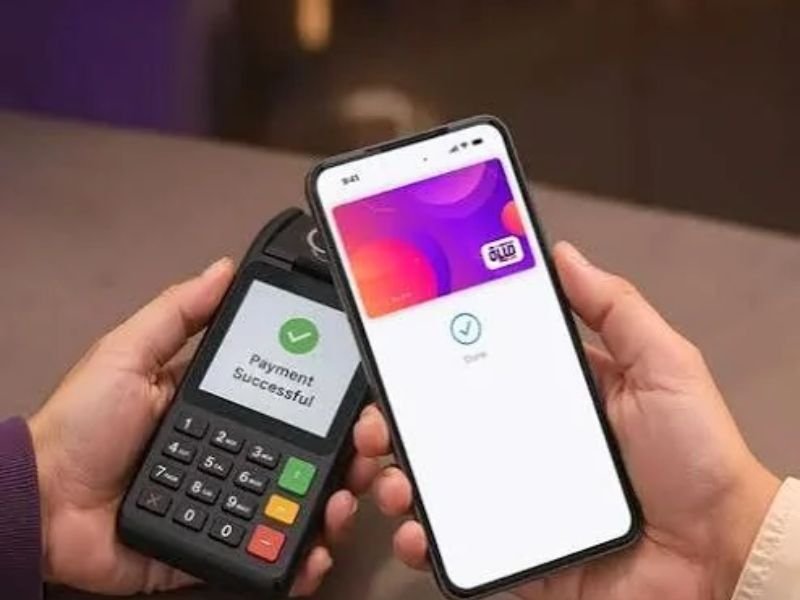
The UAE is witnessing growing interest in stablecoin-based payments as businesses explore alternative ways to process transactions more quickly and reduce the costs associated with international money transfers. The development reflects a broader shift in the country's digital finance sector, where cryptocurrencies are gradually finding practical applications beyond investment and trading.
Stablecoins, which are digital currencies designed to maintain a relatively stable value by being linked to traditional currencies such as the US dollar, are attracting attention from companies looking for more efficient payment solutions. Their potential to simplify international settlements is particularly relevant to the UAE, given its strong connections with global trade, tourism and financial markets.
Businesses Explore New Payment Opportunities
Companies operating in sectors such as hospitality, travel, luxury retail and real estate are among those examining the potential benefits of accepting stablecoins. These industries frequently deal with international customers and high-value transactions, making payment speed and transaction costs important considerations.
For freelancers, remote professionals and internationally connected businesses, receiving payments through stablecoins can also provide another way to transfer and manage funds across borders.
Industry executives believe the growing use of stablecoins for purchases and business settlements could indicate a gradual transition from cryptocurrency speculation towards practical financial applications.
Jack Tang, co-founder and chief executive of BoomFi, has highlighted the increasing importance of measuring how much consumer spending is funded through stablecoins rather than more volatile digital currencies. Such a shift could signal that digital assets are becoming more established as payment instruments.
Faster Settlements and Lower Transaction Costs
One of the main reasons businesses are considering stablecoin payments is the possibility of reducing the time and expense involved in processing international transactions.
Conventional cross-border payment systems can involve several financial intermediaries, additional processing charges and settlement delays. Depending on the payment route, transactions may take multiple days to complete.
Stablecoin transfers, by comparison, can potentially be processed within minutes, depending on the blockchain network, service provider and compliance requirements.
For businesses handling payments from customers in different countries, these capabilities could improve cash flow and make international transactions more convenient.
The UAE's position as an international business and tourism destination also creates favourable conditions for alternative payment methods. Many residents, visitors and overseas customers are already familiar with digital assets, providing merchants with an additional payment option to consider.
Regulatory Clarity Supports Market Development
The UAE's evolving regulatory framework for digital assets and payment tokens is another factor contributing to growing business interest.
Greater clarity around the rules governing digital payment activities can help companies assess the legal and operational requirements before introducing stablecoin services.
Regulatory confidence is particularly important for businesses and financial institutions that must meet strict requirements relating to customer verification, anti-money laundering procedures and transaction monitoring.
As the country's digital finance ecosystem develops, clearer compliance standards could encourage more established companies to explore blockchain-based payment infrastructure.
Banking Infrastructure Remains a Key Challenge
Despite the potential advantages, wider adoption of stablecoins will depend on more than the technology itself.
Businesses and financial institutions still need reliable connections between digital wallets, banking services, liquidity providers and payment-processing platforms. Converting digital currencies into traditional money and ensuring that funds can be settled into business bank accounts are also important considerations.
Compliance procedures and integration with existing financial systems can add complexity, particularly for companies planning to introduce stablecoin payments on a larger scale.
Industry participants believe that improving these supporting systems will be essential to making digital-currency payments more accessible to ordinary consumers and merchants.
UAE Could Strengthen Its Position in Global Digital Finance
The UAE has several advantages that could support the expansion of stablecoin payments, including its international business connections, established financial services industry and growing digital-asset ecosystem.
The dirham's peg to the US dollar also provides an important monetary connection for businesses operating in a market where dollar-linked digital currencies are widely used.
In the coming years, stablecoin payments could become more closely integrated with conventional payment platforms. Customers may eventually be able to pay using digital currencies while merchants receive funds in dirhams through the payment services they already use.
Although broader adoption will depend on regulatory compliance, banking integration and consumer confidence, the growing interest from businesses suggests that stablecoins could become an increasingly relevant part of the UAE's digital payment landscape.
The country's ambitions in financial technology and digital assets could further support this transition, potentially strengthening its position as an international centre for next-generation payment solutions.
END.